Tim Cook Steps Down as Apple CEO: John Ternus Named Successor From September 2026

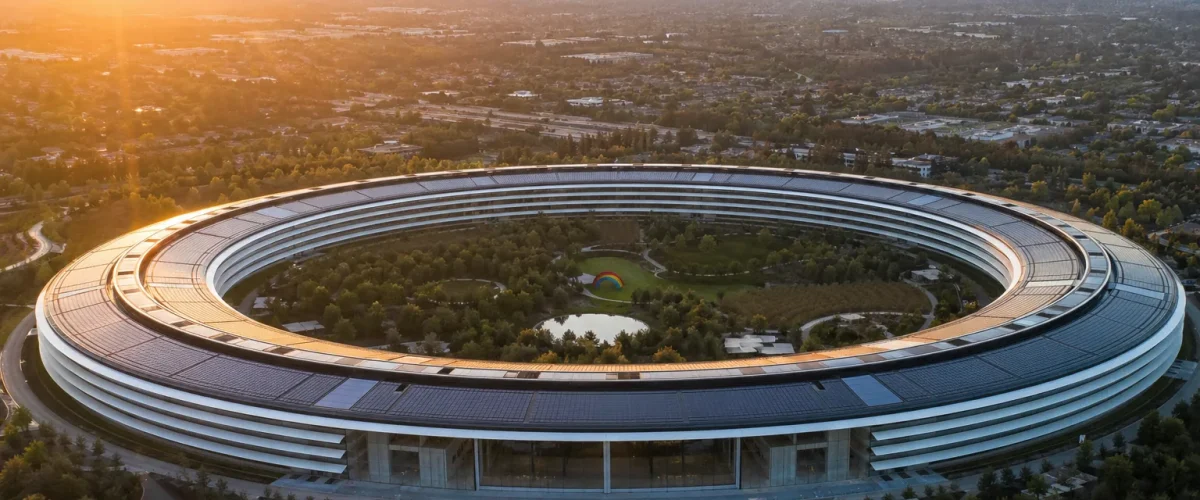
Apple Inc. announced on 20 April 2026 that Tim Cook will step down as chief executive officer and transition to the role of executive chairman of the company’s board of directors. John Ternus, currently Apple’s senior vice president of Hardware Engineering, will become the company’s next CEO effective 1 September 2026. The transition was unanimously approved by Apple’s board of directors following what the company described as a “thoughtful, long-term succession planning process.”
Cook, who has led Apple since August 2011 after the death of co-founder Steve Jobs, will remain in his current role through the summer to ensure a smooth handover. As executive chairman, he will continue to engage with policymakers around the world, a role that has become increasingly important as governments tighten regulations on big technology companies.
Who Is John Ternus?
John Ternus joined Apple in 2001 and has spent over two decades shaping the hardware that defines the company. He became senior vice president of Hardware Engineering in 2021 and is credited with overseeing the development and launch of several landmark products, including the Apple Vision Pro mixed-reality headset, the transition from Intel to Apple Silicon chips across the Mac lineup, and recent innovations in the iPhone and Apple Watch product lines.
Ternus emerged as the front-runner for the CEO role after former chief operating officer Jeff Williams retired in mid-2025 after 27 years with the company. Williams had long been considered the most likely successor to Cook. The leadership change at Apple follows a broader pattern of executive transitions across major technology companies this year, including changes at the top of LinkedIn, Oracle, and Meta.
Tim Cook’s Legacy at Apple
During his 15-year tenure as CEO, Cook transformed Apple from a company valued at roughly $350 billion into the world’s most valuable corporation, with a market capitalisation exceeding $4 trillion. Under his leadership, Apple expanded its services business — including the App Store, Apple Music, iCloud, and Apple TV+ — into a division generating over $100 billion in annual revenue.
Cook also navigated Apple through extraordinary challenges, including the COVID-19 pandemic, global supply chain disruptions, and escalating trade tensions between the United States and China. His decision to begin shifting iPhone manufacturing to India, a process that accelerated dramatically in 2026 with Foxconn and Tata plant expansions, is considered one of his most strategically important moves.
Beyond financial performance, Cook championed environmental sustainability, committing Apple to carbon neutrality across its entire supply chain by 2030. He also made Apple one of the first Fortune 500 companies to publicly advocate for LGBTQ+ rights, drawing both praise and criticism from different quarters.
Why the Transition Matters for India
For India, the CEO transition is being watched closely. Under Cook, Apple dramatically increased its manufacturing footprint in the country. By late 2026, the company aims to produce all US-bound iPhones in India, a shift that has created hundreds of thousands of jobs and positioned India as a serious alternative to China in global electronics manufacturing.
Ternus, as the head of hardware engineering, has been directly involved in the India manufacturing strategy. Industry observers expect him to deepen Apple’s commitment to Indian operations, potentially expanding beyond iPhone assembly to include Mac and iPad production. This development is particularly significant given the recent India-US trade deal that reshaped tariff structures between the two countries.
Apple’s retail expansion in India — the company opened its first two Indian stores in 2023 — is also expected to accelerate under Ternus, who has spoken publicly about the importance of the Indian market.
Market Reaction and Analyst Outlook
Apple’s stock dipped approximately 2.3 per cent in after-hours trading following the announcement, reflecting typical market uncertainty around CEO transitions. However, most analysts view the change positively. Morgan Stanley’s Erik Woodring maintained an Overweight rating, noting that “Ternus represents continuity with fresh energy” and that the long transition period minimises execution risk.
JPMorgan analyst Samik Chatterjee highlighted that Ternus’s hardware background could signal a renewed focus on product innovation after what some critics called a “services-heavy” period under Cook’s later years. The wave of restructuring across Big Tech in 2026, including major layoffs at Meta and Oracle, makes Apple’s orderly transition stand out as a model of corporate governance.
The Broader Tech Leadership Shift
Apple’s CEO change is part of a remarkable wave of leadership transitions in the technology industry. In the past month alone, Dan Shapero replaced Ryan Roslansky as LinkedIn CEO, and several other major companies have announced executive reshuffles. This generational shift in tech leadership reflects the industry’s pivot toward artificial intelligence, a technology that is reshaping product strategies across the global technology landscape.
For Apple specifically, the question is whether Ternus can maintain the company’s premium brand positioning and ecosystem lock-in while competing in an AI-driven era dominated by aggressive moves from Microsoft, Google, and emerging players. Cook’s shoes are enormous, but the 25-year Apple veteran has the institutional knowledge and product vision to fill them.
The formal transition date of 1 September 2026 gives investors, partners, and employees several months to prepare. Cook’s continued presence as executive chairman provides an additional safety net, ensuring that Apple’s relationships with governments and supply chain partners — many of which are deeply personal — remain intact during the handover period.

- Fentanyl Vaccine Breakthrough: Scripps Research Develops Shot That Blocks Deadly Overdoses Before They Reach the Brain - June 13, 2026
- Nipah Virus Returns to Kerala — First Case of 2026 Confirmed, State Declares High Alert - June 12, 2026
- Jill Biden Reveals She Wanted to Keep PM Modi’s 7.5-Carat Diamond Gift but Returned It After State Department Valued It at $20,000 - June 8, 2026