Iran Fires on Commercial Ships in Strait of Hormuz: India’s 45-Day Oil Reserve and Energy Security Face Critical Test

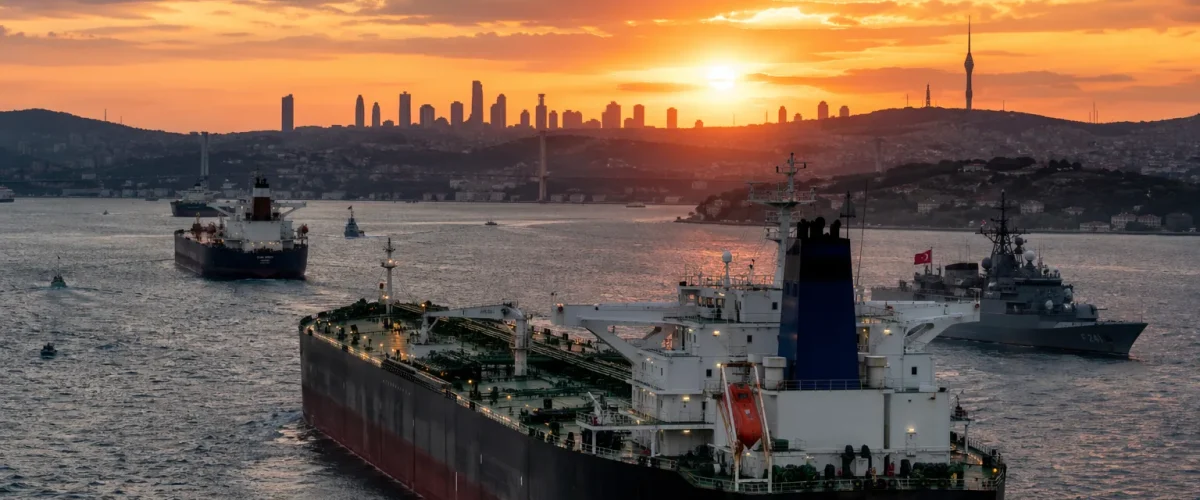
The Strait of Hormuz — the narrow waterway through which roughly one-fifth of the world’s oil supply flows — has once again become the flashpoint of a dangerous escalation between Iran and the United States, with direct and immediate implications for India’s energy security. On 18 April 2026, gunboats linked to Iran’s Islamic Revolutionary Guard Corps fired on at least three commercial vessels in the strait, including an Indian-flagged ship, without issuing radio challenges. Iran subsequently declared it had reimposed strict control over the waterway, effectively closing it less than 24 hours after it was briefly reopened following an earlier ceasefire. For India, which imports approximately 88 per cent of its crude oil with more than half transiting the Strait of Hormuz, the situation poses the most serious energy security challenge in years. Those following India’s economic developments will recognise this as a direct threat to the country’s energy costs and macroeconomic stability.
What Happened: IRGC Fires on Tankers, Strait Closed Again
The attacks on 18 April were reported by the UK Maritime Trade Operations, which received reports of two gunboats opening fire on a tanker approximately 20 miles north of Oman. Within hours, a separate incident saw a container ship struck by an unknown projectile. Reuters, citing merchant and shipping sources, reported additional vessels had been hit by gunfire as they attempted to transit the strait. Iran’s new Supreme Leader Mojtaba Khamenei threatened bitter defeats in a Telegram statement, while Iran’s security council cited the ongoing US naval blockade as the reason for re-closing the strait.
The US Central Command confirmed that American forces were still enforcing a naval blockade of Iranian ports, with 23 ships having been turned around since the blockade began. US helicopters were flying patrols in and around the strait. The situation represents a dangerous tit-for-tat escalation: the US blockade was imposed after Iran’s ceasefire conditions were not met, and Iran’s response — firing on commercial shipping — raises the spectre of a broader conflict that could disrupt global oil markets for weeks or months.
India’s 45-Day Oil Buffer: How Long Can It Last?
India holds approximately 100 million barrels of commercial crude oil stocks — in storage tanks, underground strategic petroleum reserves, and on ships voyaging toward the country — which could cover roughly 40 to 45 days of consumption if flows through the Strait of Hormuz are completely disrupted. This assessment comes from Kpler, a leading energy data analytics firm, and represents the most commonly cited estimate for India’s short-term resilience.
However, the 45-day figure comes with important caveats. India’s daily crude oil consumption is approximately 5.5 million barrels per day, of which about 4.8 million barrels are imported. Of these imports, roughly 2.5 million barrels per day transit the Strait of Hormuz — primarily from Saudi Arabia, Iraq, the UAE, and Kuwait. A complete closure of the strait would not halt all Indian imports, as supplies from Africa, Russia, and the Americas use different shipping routes. But the loss of Middle Eastern supply would create a massive shortfall that could not be quickly replaced.
Strategic petroleum reserves in India are stored at three underground facilities — Visakhapatnam, Mangalore, and Padur — with a combined capacity of approximately 36.9 million barrels (about 5.33 million tonnes). These reserves were designed precisely for scenarios like a Hormuz disruption but would only cover about seven to eight days of total import requirements if used alone. Combined with commercial stocks and in-transit cargo, the 40 to 45 day estimate is reasonable but assumes the disruption remains partial. The escalation also has direct implications for the broader US-Iran ceasefire dynamics that have been roiling markets since April.
Impact on Oil Prices and the Indian Economy
Crude oil prices surged following the 18 April incidents, with Brent crude briefly touching $92 per barrel before settling around $88, up from approximately $75 before the escalation began in early April. Every $10 increase in crude oil prices adds approximately Rs 0.3 to India’s current account deficit as a percentage of GDP and puts upward pressure on petrol, diesel, and LPG prices domestically.
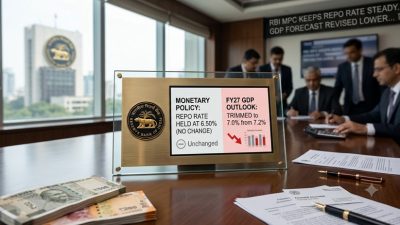
The Reserve Bank of India has been monitoring the situation closely. With the repo rate at 5.25 per cent and inflation already projected at 2.1 per cent for FY26, a sustained oil price spike could push inflation higher and complicate the RBI’s accommodative monetary policy stance. Indian oil marketing companies — Indian Oil Corporation, Bharat Petroleum, and Hindustan Petroleum — have not yet raised retail fuel prices but are absorbing losses that will eventually need to be passed through. The Indian rupee has also faced pressure, depreciating against the dollar as investors seek safe-haven assets. These developments are closely watched by stock market analysts tracking the April volatility.
What Comes Next: Diplomatic Efforts and Contingency Plans
India’s diplomatic machinery has been actively engaged. External Affairs Minister S. Jaishankar has been in communication with counterparts in Tehran, Washington, and Gulf capitals, urging restraint and de-escalation. India has historically maintained working relationships with both Iran and the US, and its energy dependence on Middle Eastern oil gives it a strong incentive to push for diplomatic solutions. India also chairs the Indian Ocean Naval Symposium and has naval assets in the region that could be deployed for convoy protection if needed.
In the longer term, the Hormuz crisis reinforces India’s imperative to diversify its energy sources. The country’s record renewable energy installations in FY26, its push for nuclear power expansion, and its investment in strategic petroleum reserves all gain additional urgency in light of supply disruptions. The crisis also accelerates discussions about increasing oil imports from non-Gulf sources — Russia, the United States, Guyana, Brazil, and Canada all represent potential diversification options, though each comes with its own geopolitical and logistical complexities. India’s energy security strategy will be tested in the weeks ahead, and the outcome will have lasting implications for both policy and markets.