Iran Continues Missile Strikes on UAE as Ameesha Patel’s Mumbai Flight Gets Diverted: India Worried About 3.5 Million Expats

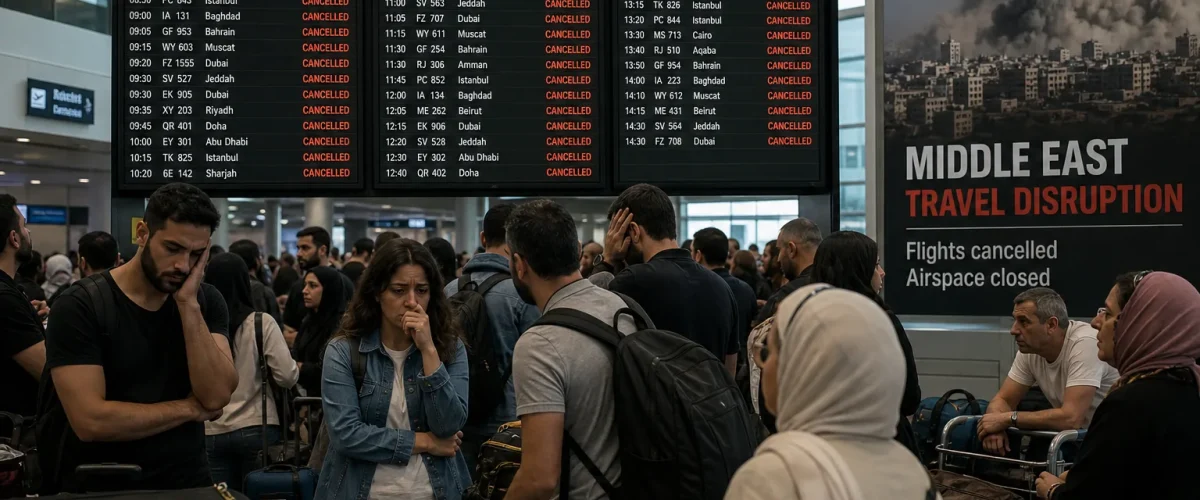
Bollywood Actress Stranded at Dubai Airport as Iran’s Multi-Month Missile Campaign Against UAE Enters New Phase
Bollywood actress Ameesha Patel has shared a harrowing account of being stranded at Dubai airport for several hours after her New York-to-Mumbai flight was diverted due to fresh Iranian missile strikes targeting the United Arab Emirates. The actress, who took to social media to describe her ordeal, asked the question that millions across the region and the wider world are now asking: “When will this war end?”
The incident, which occurred in the first week of May 2026, underscores how the ongoing 2026 Iranian strikes on the UAE continue to disrupt civilian life, aviation, and commerce across the Gulf region — even as ceasefire negotiations between Tehran and Washington reportedly make progress. Browse more on International and Bollywood for related stories.
The Iran-UAE Conflict: What’s Happening
The strikes began on February 28, 2026, following coordinated US-Israeli military strikes on Iran. In retaliation, Iran launched a multi-day series of missile and drone airstrikes targeting the UAE — primarily aimed at American military installations but causing widespread collateral damage to civilian infrastructure.
As of early May 2026, the scale of the attacks is staggering. According to the UAE Ministry of Defence, Iran has fired a total of over 537 ballistic missiles, 2,256 drones, and 26 cruise missiles at targets in the UAE since February. The UAE’s THAAD and Patriot missile defence systems, acquired from the United States, have intercepted the vast majority, but interception debris and falling projectiles have caused significant damage in Abu Dhabi, Dubai, and other emirates.
Civilian Casualties and Damage
Despite the high interception rate, the human cost has been real. Multiple civilians have been killed, including Indian and Pakistani nationals working in the UAE. The debris from intercepted missiles has fallen on populated areas, damaging homes, commercial buildings, and infrastructure. Loud explosions have been reported in Abu Dhabi’s Corniche, Al Dhafra, and Bateen districts, with smoke plumes visible from residential areas. For context on oil market impacts, read: OPEC Plus Agrees to Raise Oil Output Targets.
The Port of Fujairah, a critical oil-loading terminal, has been hit by drone strikes, triggering fires and suspending some oil-loading operations. This has had ripple effects on global energy markets, with crude oil prices remaining elevated above $120 per barrel for much of 2026.
Ameesha Patel’s Account
The Bollywood actress shared her experience on Instagram and X (formerly Twitter), posting photos from the Dubai airport where she and other passengers were directed to bomb shelters after defence systems detected incoming missiles. “We were told to evacuate and go to the shelters. Children were crying, families were scared. This is not normal,” Patel wrote.
She added: “My flight from New York was diverted to Dubai because Mumbai-bound flights couldn’t take the usual route. We’ve been stuck here for hours. The staff is doing their best, but the situation is terrifying. When will this war end?” The post quickly went viral, with fans and fellow celebrities expressing concern for her safety and solidarity with UAE residents.
Impact on Aviation and Indian Expats
The Iranian strikes have severely disrupted aviation in the Gulf region. Dubai International Airport, one of the world’s busiest, has been forced to close multiple times since February. Airlines have rerouted hundreds of flights, adding hours to journey times and increasing fuel costs. Indian carriers, including Air India and IndiGo, have been among the most affected, given the large volume of traffic between India and the Gulf.
For the estimated 3.5 million Indian nationals living in the UAE, the strikes have created a climate of persistent anxiety. The Indian embassy in Abu Dhabi has issued multiple advisories urging citizens to stay indoors during alerts, keep emergency supplies ready, and register with the embassy for evacuation assistance if needed. Also read: Gold Prices Hold Near Record $4,600 Per Ounce.
Economic Fallout for India
The India-UAE economic relationship — worth over $85 billion in bilateral trade — has also been affected. Remittances from Indian workers in the UAE, a crucial source of foreign exchange, have shown signs of disruption. Export shipments through UAE ports have faced delays, and insurance costs for shipping through the Gulf have skyrocketed.
Ceasefire Negotiations: Where Things Stand
Despite the ongoing strikes, diplomatic efforts to de-escalate the situation continue. The United States and Iran have been engaged in indirect negotiations, with Oman serving as a mediator. Reports suggest that both sides have made concessions, but fundamental disagreements — particularly over Iran’s nuclear programme and the presence of US military bases in the Gulf — remain unresolved.
Gold prices have held near record levels of $4,600 per ounce, partly reflecting continued geopolitical uncertainty in the Gulf. Similarly, crude oil prices have remained elevated, with OPEC+ countries, including Saudi Arabia and Russia, debating output adjustments to stabilise markets. Related: FPI Outflows From India Surpass Entire 2025 Total.
What India Can Do
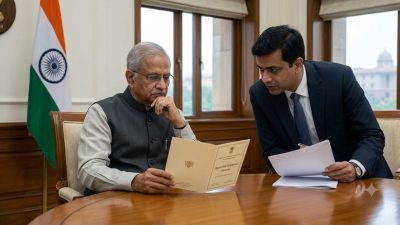
India has maintained a careful diplomatic balancing act, maintaining strong relationships with both the UAE and Iran. The Indian government has been working behind the scenes to ensure the safety of its citizens in the UAE while avoiding taking sides in the broader conflict.
External Affairs Minister S. Jaishankar has spoken with his counterparts in both Tehran and Abu Dhabi, urging restraint and a return to dialogue. India’s position — calling for de-escalation, respect for sovereignty, and diplomatic resolution — reflects its broader foreign policy approach of strategic autonomy.
For Indian citizens planning travel to or through the UAE, the Ministry of External Affairs recommends checking flight status regularly, purchasing travel insurance, and registering with the Indian embassy. The situation remains fluid, and any escalation could trigger evacuation operations similar to those conducted during previous Gulf crises.
The Iran-UAE situation remains highly dynamic. Follow dailytips.in for the latest updates on the conflict and its impact on India.

- Indian Army Gets New Chief as General Dwivedi Hands Over Command Amid Push for Indigenous Defence Tech - July 1, 2026
- Ayodhya Ram Temple Donation Scandal Deepens as Trustees Resign and SIT Arrests Eight - June 29, 2026
- Bengal Seven Weeks On: Modi’s Historic Win and the Questions That Won’t Go Away - June 28, 2026