IPL 2026 Mid-Season Report: Code of Conduct Controversies, Phone Scandal, and the Race for Playoffs

The Indian Premier League 2026 has been rocked by a wave of disciplinary controversies even as the tournament enters its most intense phase. From slow over-rate penalties and heated confrontations with match officials to a dugout phone violation that triggered anti-corruption alarms, the past fortnight has shifted the spotlight from sixes and wickets to conduct and governance. Here is a comprehensive look at everything that has unfolded — and what it means for the rest of the season.
Nitish Rana Reprimanded for Umpire Confrontation
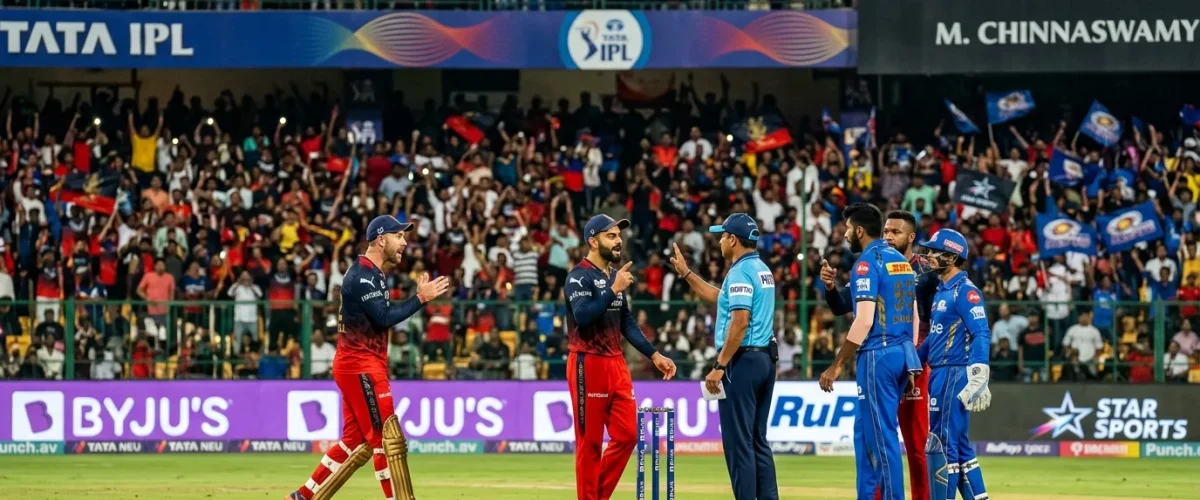
The most dramatic flashpoint of IPL 2026 so far came during the Delhi Capitals versus Chennai Super Kings match on April 12. Delhi’s Nitish Rana was involved in a heated argument with an on-field umpire after a contentious LBW decision. Television replays showed Rana walking toward the official, gesturing aggressively and refusing to leave the crease for several seconds. The BCCI’s match referee filed a Level 1 breach of the IPL Code of Conduct, and Rana was formally reprimanded with a warning that a second offence would attract a fine and possible suspension.
The incident rekindled a familiar debate about player behaviour in T20 leagues. Former cricketers, commentators, and fans weighed in on social media, with opinions split between those who felt the umpire’s decision was clearly wrong and those who insisted that the sanctity of on-field decisions must be upheld regardless. The BCCI released a statement reaffirming that “dissent toward match officials will not be tolerated in any form.”
Ruturaj Gaikwad Penalised for Slow Over Rate
In the same CSK encounter, skipper Ruturaj Gaikwad became the latest captain fined for a slow over rate. Under IPL 2026 regulations — which were tightened this season — any team that fails to bowl its allotted overs within the stipulated 90 minutes faces an automatic ₹12 lakh fine for the captain on the first offence, escalating to ₹24 lakh and a one-match ban on the second. Gaikwad was docked ₹12 lakh for CSK’s first violation. R. Ashwin, the veteran who has been instrumental in CSK’s campaign, later commented that the new rules leave captains with very little margin when DRS reviews and injury breaks eat into the clock.
CSK’s wobble continued when they lost to Sunrisers Hyderabad in their most recent outing. For the full rivalry breakdown, see our Sunrisers Hyderabad vs Mumbai Indians timeline. Captain Gaikwad, who has struggled for consistency with the bat this season, acknowledged that the fine was “a wake-up call for the entire team’s discipline.”
Tristan Stubbs and the On-Field Clash
South Africa’s Tristan Stubbs, playing for his franchise in the 2026 edition, was also sanctioned after a verbal exchange with an umpire during a DRS review that went against his team. Stubbs reportedly used language that the match referee deemed inappropriate, leading to a Level 1 charge. The rising star accepted the sanction, issued a public apology, and avoided further punishment, but the incident added to the growing list of disciplinary actions this April.
Rajasthan Royals Phone Scandal Triggers Anti-Corruption Probe
Perhaps the most consequential controversy of the season is the discovery of a mobile phone in the Rajasthan Royals dugout during a league match. IPL rules strictly prohibit any communication device inside the dugout once play is under way, a regulation rooted in the BCCI’s anti-corruption framework. The device was traced to a team operations official, and the Anti-Corruption Unit (ACU) immediately launched an inquiry.
While there is no suggestion at this stage that the phone was used for corrupt purposes, the breach of protocol is serious. The ACU interviewed the official and requested CCTV footage, communication logs, and device data. A ruling is expected before the playoffs. If found guilty of even a procedural violation, the franchise could face fines, suspension of the official, and a loss of draft picks. The episode has drawn comparisons to similar incidents in international cricket, where phone-related breaches have led to bans and heavy sanctions. It also underscores the growing intersection of IPL and the broader sports-betting ecosystem, which makes anti-corruption vigilance more important than ever.
Orange Cap and Purple Cap Race Heats Up
Amid the off-field drama, the on-field contest remains riveting. As of the latest update, Heinrich Klaasen leads the Orange Cap race with a string of explosive innings that have seen him score at a strike rate well above 160. His ability to target spin in the middle overs has made him the most dangerous batter in the tournament so far. Behind him, several Indian batters — including Mumbai Indians’ Suryakumar Yadav and Punjab Kings’ Shikhar Dhawan — are locked in a tight battle for the top five spots.
The Purple Cap contest is equally gripping, with mystery spinners and express pacers trading places after every round. Death-over specialists have been particularly influential this season, with yorker accuracy and slower-ball variations proving decisive on the flat Indian pitches used in the league stage.
Points Table and Playoff Implications
With roughly half the league stage completed, the IPL 2026 points table is shaping up to be one of the most competitive in years. Several teams are separated by just a single win, and net run rate could determine who advances to the knockout rounds. The tightened fair-play regulations have added another layer of strategy: captains are now factoring over-rate management into their bowling plans from the very first over, sometimes opting for part-time spinners to save time rather than their best death-overs specialist.
Franchises that have navigated the disciplinary minefield cleanly are already reaping dividends. Teams with fewer code-of-conduct breaches tend to maintain better dressing-room morale, and coaches have privately acknowledged that the new regulations are forcing a culture shift across the league.
What Experts Are Saying
Former India captain Sunil Gavaskar, writing in his newspaper column, argued that the BCCI is right to crack down hard on dissent: “The IPL is watched by hundreds of millions of children. If they see their heroes arguing with umpires and getting away with it, the message is toxic.” Others, like commentator Harsha Bhogle, have called for a middle ground — better umpiring technology and faster DRS turnarounds to reduce the frustration that leads to confrontations in the first place.
On the anti-corruption front, BCCI secretary Jay Shah reiterated that “the integrity of the IPL is paramount” and that the ACU has expanded its digital monitoring capabilities for the 2026 season, including AI-powered surveillance of suspicious betting patterns linked to celebrity-driven social media activity around match outcomes.
Road Ahead
The IPL 2026 season has 30-odd league matches remaining before the playoffs begin in late May. With the controversies of April still fresh, all eyes will be on how players, captains, and support staff conduct themselves under the heightened scrutiny. One thing is clear: on a pitch where talent is abundant and margins are razor-thin, it is often discipline — not skill — that separates champions from also-rans.
Stay tuned to Cricket on Daily Tips for live updates, match previews, and in-depth analysis throughout IPL 2026.

- Fentanyl Vaccine Breakthrough: Scripps Research Develops Shot That Blocks Deadly Overdoses Before They Reach the Brain - June 13, 2026
- Nipah Virus Returns to Kerala — First Case of 2026 Confirmed, State Declares High Alert - June 12, 2026
- Jill Biden Reveals She Wanted to Keep PM Modi’s 7.5-Carat Diamond Gift but Returned It After State Department Valued It at $20,000 - June 8, 2026