G7 Summit Final Day: Modi-Trump Bilateral in Évian — Trade, Defence and Iran on the Table

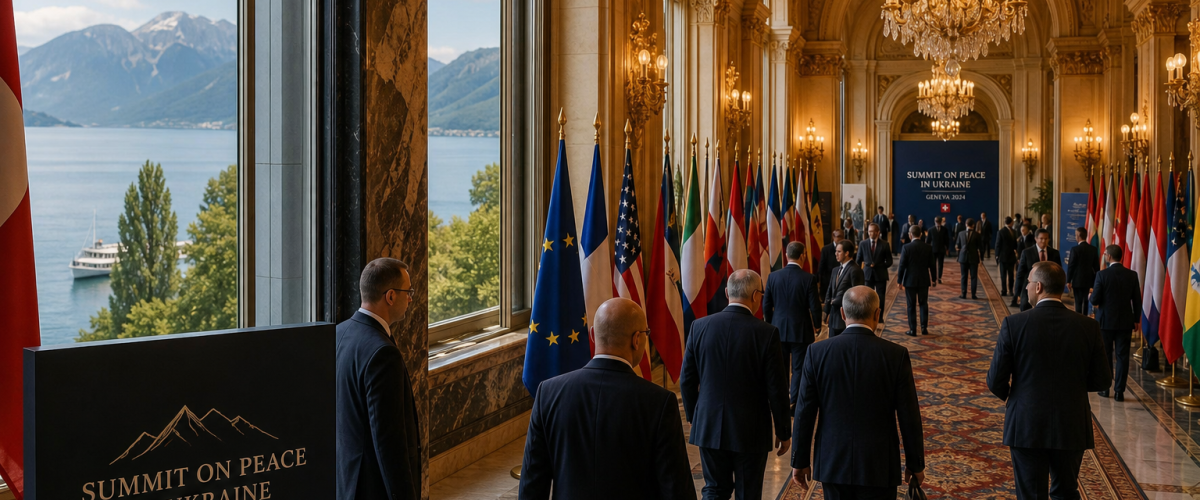
The 52nd G7 Summit reached its climactic final day in Évian-les-Bains, France, on Tuesday, with the most anticipated event of the three-day gathering — the bilateral meeting between Prime Minister Narendra Modi and US President Donald Trump — dominating headlines. The two leaders met on the sidelines of the summit at the historic Hôtel Royal, discussing trade, defence cooperation, the Iran peace framework, and the trajectory of the world’s most consequential bilateral relationship at a moment of significant geopolitical flux.
The Modi-Trump interaction, captured in widely shared images and video clips, took place against a backdrop of summit discussions on AI governance, the Ukraine conflict, critical mineral supply chains, and the US-Iran framework deal due for signing in Geneva on June 19. For India, the G7’s final day also brought the formalisation of a landmark India-France Innovation Roadmap 2030 and the announcement of a new Economic Security Dialogue — agreements that position India at the centre of emerging technology partnerships with Europe’s most powerful economies.
The Modi-Trump Bilateral: What Was Discussed
The bilateral meeting covered the full range of the India-US relationship, with both leaders expressing interest in deepening cooperation across multiple domains. According to briefings from Indian and American officials, the key topics included:
Trade and Tariffs: The longstanding trade irritant between the two countries was addressed directly, with both sides agreeing to continue negotiations aimed at reducing barriers. The US has maintained tariffs on Indian goods, while India has resisted opening certain sectors to American companies. The conversation is understood to have focused on potential breakthroughs in agricultural trade, technology transfer, and market access for services.
Defence Procurement: India’s growing defence relationship with the US — which has seen New Delhi acquire American drones, aircraft engines, and naval systems — was discussed in the context of expanding co-production and technology sharing. The two sides are understood to have made progress on a framework for joint development of advanced defence systems.
Iran Peace Framework: India’s position on the US-Iran deal — which has been carefully calibrated to balance its strategic partnership with Washington against its energy dependence on Middle Eastern oil — was a key discussion point. Modi is understood to have expressed India’s interest in playing a constructive role in the post-conflict regional architecture while seeking assurances on energy supply stability.
G7 Final Communiqué: Key Takeaways
The summit’s closing communiqué reflected the consensus — and the tensions — among the G7 members on a range of global challenges:
Iran and the Geneva Framework: The G7 endorsed the US-Iran framework as a “constructive starting point” while pushing for stronger verification mechanisms and a clearer timeline for nuclear negotiations. European leaders, particularly Macron and Starmer, have been more cautious than the US about the framework’s adequacy, and the communiqué reflects this measured approach.
Ukraine: The leaders reaffirmed their commitment to supporting Ukraine against Russian aggression, with the communiqué pledging continued financial and military assistance. However, language around pathways to a negotiated settlement was notably stronger than in previous G7 statements, reflecting a growing appetite among some members for diplomatic engagement.
AI Governance: The summit produced an AI governance framework that calls for international standards on safety, transparency, and accountability in artificial intelligence development. The framework builds on the Hiroshima AI Process launched at the 2023 G7 and reflects growing concern about the rapid deployment of AI systems without adequate oversight.
Critical Minerals: Recognising the strategic importance of critical minerals for the energy transition and technology sectors, the G7 announced a coordinated approach to diversifying supply chains away from Chinese dominance, with specific commitments to partnerships with resource-rich developing nations including India.
Modi’s Diplomatic Scorecard
For PM Modi, the Évian summit capped a productive European tour that included a historic first visit to Slovakia, the India-France Innovation Roadmap 2030, and bilateral engagements with multiple G7 and guest nation leaders. The tour demonstrated India’s growing diplomatic weight and its ability to engage simultaneously with the world’s most powerful economies while maintaining its strategic autonomy.
The G7 invitation itself — India has been a regular guest in recent years — reflects the group’s recognition that addressing global challenges requires engagement with major emerging economies. Modi used the platform to advocate for reforms to the international financial architecture, greater representation of developing countries in global governance, and equitable access to technology.
What Comes Next
The summit’s conclusion shifts attention to several critical events: the US-Iran framework signing in Geneva on June 19, the continuation of the FIFA World Cup, and the implementation of the AI governance and critical minerals frameworks agreed at Évian. For the India-US relationship, the Modi-Trump bilateral sets the stage for more intensive engagement on trade, defence, and technology cooperation in the coming months.
As the leaders departed the shores of Lake Geneva, the summit’s legacy will be measured not by its communiqués but by whether the diplomatic momentum generated at Évian translates into concrete action on the multiple crises — from Iran to Ukraine to AI governance — that define this moment in global affairs.
Also Read
- G7 Summit 2026 Opens in Évian-les-Bains — PM Modi Joins World Leaders, Trump Bilateral Expected
- Bharat Innovates 2026: PM Modi and Macron Inaugurate Global Deep-Tech Conclave in Nice, France
- Trump Praises Modi as ‘Good Friend’ and Says US Will Finalise Trade Deal with India Soon After Reversing Years of Trade Imbalance
- PM Modi Arrives in Netherlands for Semiconductor Defence and Trade Talks With Dutch PM Rob Jetten as Second Leg of Six-Nation Europe Tour Begins
- Boeing Wins 200-Jet Order From China as Trump-Xi Beijing Summit Delivers First Major Trade Deal in Nearly a Decade With Nvidia Chip Sales Also Cleared

- Indian Army Gets New Chief as General Dwivedi Hands Over Command Amid Push for Indigenous Defence Tech - July 1, 2026
- Ayodhya Ram Temple Donation Scandal Deepens as Trustees Resign and SIT Arrests Eight - June 29, 2026
- Bengal Seven Weeks On: Modi’s Historic Win and the Questions That Won’t Go Away - June 28, 2026