Iran’s Khamenei Slams ‘Desperate’ Trump: First Response Since US-Iran MOU Signed

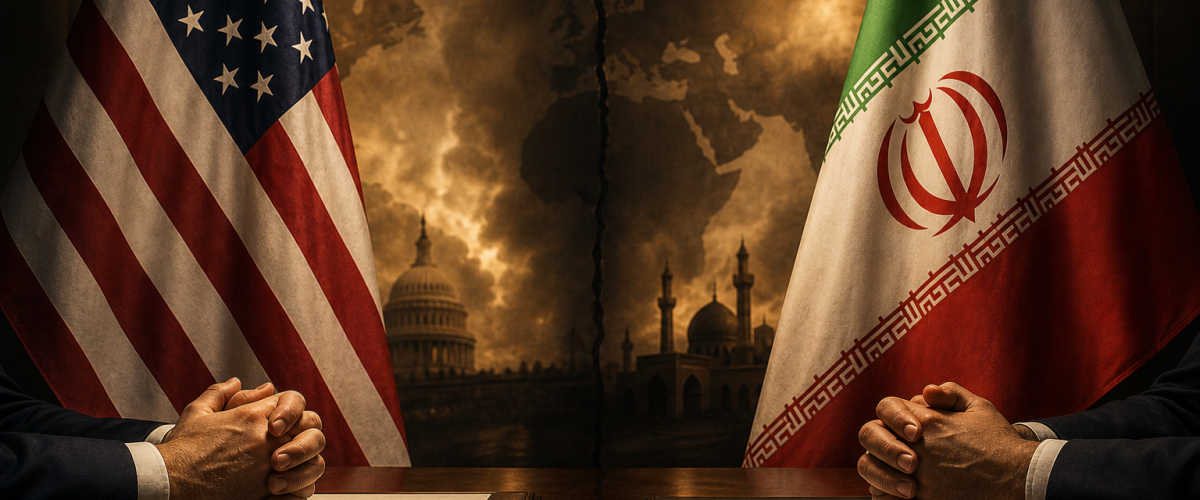
Iranian Supreme Leader Mojtaba Khamenei has broken his silence on the US-Iran Memorandum of Understanding (MOU), delivering a pointed rebuke of US President Donald Trump in his first public statement since the landmark agreement was signed virtually earlier this week. Khamenei described Trump as “desperate” for a deal and claimed the American president had used “all kinds of leverage” to secure Iranian participation in the framework agreement.
The statement, delivered to a gathering of senior clerical and military officials in Tehran, represents a careful balancing act by Iran’s leadership: publicly criticising the US to maintain domestic political credibility while not repudiating the agreement itself. Khamenei said he had authorised the MOU after Iranian officials “pledged to safeguard the rights of the Iranian nation and the resistance front” — language that suggests the deal contains provisions or understandings that Iran has not yet made public.
What the US-Iran MOU Contains
The Memorandum of Understanding, brokered with Pakistani mediation and signed during the G7 summit week, establishes a framework for ending the military conflict between the US and Iran that has escalated since late 2025. While the full text has not been publicly released, key elements include:
Ceasefire Framework: An immediate cessation of direct military hostilities between US and Iranian forces, with provisions for de-escalation in the Persian Gulf and other contested areas.
Related: Netanyahu Defies US-Iran Deal — Vows Israeli Forces Will Stay in Lebanon Buffer Zone Indefinitely
Nuclear Provisions: The MOU addresses Iran’s nuclear programme, though the extent of Iranian concessions remains disputed. Reports suggest Iran has agreed to limitations on uranium enrichment, but whether these amount to the “full dismantlement” that the US had initially demanded is unclear.
Sanctions Relief: The framework reportedly includes a pathway for gradual sanctions relief, contingent on Iran’s compliance with the agreement’s provisions. This element is particularly significant for global energy markets and for countries like India that have historically been major importers of Iranian crude oil.
Regional Proxies: The most contentious element relates to Iran’s support for regional proxy groups, including Hezbollah, Hamas, and various militias in Iraq, Syria, and Yemen. The US has demanded an end to this support; Iran’s “resistance front” language in Khamenei’s statement suggests this issue remains unresolved.
Why Khamenei’s Tone Matters
The Supreme Leader’s decision to publicly criticise Trump while accepting the deal reflects the complex internal politics of Iran’s leadership. Khamenei faces pressure from hardliners who view any agreement with the US as capitulation, and from pragmatists who see the deal as necessary to end sanctions and conflict. By framing Trump as “desperate,” Khamenei casts the agreement as an Iranian victory rather than a concession.
Related: US-Iran Peace Deal Framework Finalised — Geneva Signing Set for June 19, Hormuz to Reopen
This rhetorical strategy mirrors Iran’s approach to previous diplomatic agreements, including the 2015 JCPOA. The domestic messaging emphasises Iranian strength and American weakness, while the practical reality involves significant compromises on both sides.
Israel’s Objection
The US-Iran MOU has been met with sharp criticism from Israel. Far-right Israeli National Security Minister Itamar Ben-Gvir asserted that Israel is “not a participant in this accord that fails to secure our safety” and that the agreement does not obligate Israel in any manner. This language signals that Israel may continue military operations against Iranian assets and proxies regardless of the US-Iran framework.
The Israeli response highlights the limits of the agreement: even if the US and Iran de-escalate bilaterally, the broader Middle Eastern conflict — involving Israel, Hamas, Hezbollah, and various regional actors — may continue independently of the US-Iran track.
India’s Stake
For India, the US-Iran MOU carries significant economic implications. Iran was historically one of India’s largest crude oil suppliers before US sanctions forced a dramatic reduction in imports. A pathway to sanctions relief could reopen Iranian oil supplies, providing India with greater energy security and potentially lowering crude oil costs.
The geopolitical implications are equally significant. India has sought to maintain relationships with both the US and Iran, and a de-escalation of the US-Iran conflict reduces the pressure on India to choose sides. The Chabahar port project — India’s strategic investment in Iranian infrastructure — could also benefit from improved US-Iran relations.
The US-Iran MOU is a beginning, not an end. The gap between framework agreement and lasting peace is vast, and history suggests that US-Iran deals are fragile structures that can collapse under domestic political pressure in either country. But for now, the world has moved a step back from the brink — and that, however tentative, is significant.
Also Read
- US-Iran Framework Is Not a Final Peace Deal, White House Clarifies — Nuclear Talks Begin After June 19
- Trump Claims US-Iran Peace Deal in ‘Final Throes’ — Says Agreement Could Be Reached Within Days
- Trump Tells Netanyahu He Has No Choice but to Accept Iran Peace Deal — Says He Calls All the Shots in US-Israel Relations
- US and Iran Reach Tentative 60-Day Ceasefire Deal — Strait of Hormuz to Reopen Within 30 Days as Nuclear Talks Begin
- Iran Reviews Fresh US Proposal to End West Asia Conflict as Trump Says Talks on Borderline Between Deal and Military Action

- Indian Army Gets New Chief as General Dwivedi Hands Over Command Amid Push for Indigenous Defence Tech - July 1, 2026
- Ayodhya Ram Temple Donation Scandal Deepens as Trustees Resign and SIT Arrests Eight - June 29, 2026
- Bengal Seven Weeks On: Modi’s Historic Win and the Questions That Won’t Go Away - June 28, 2026