Netanyahu Defies US-Iran Deal — Vows Israeli Forces Will Stay in Lebanon Buffer Zone Indefinitely

Israeli Prime Minister Benjamin Netanyahu has declared that Israeli forces will remain in Lebanon’s buffer zone indefinitely, directly defying the spirit of the US-Iran peace framework that commits Iran to a cessation of hostilities across all fronts, including Lebanon. The statement, delivered during a press briefing on Monday, underscores the growing rift between Israel and the United States over the emerging deal and raises serious questions about whether the peace framework can hold without Israeli cooperation.
“We will remain in the Lebanon buffer zone as long as necessary,” Netanyahu told reporters, adding that Israel “must continue to remain vigilant” against Iranian threats and would persist in targeting “Iran’s terror arms” — a reference to Hezbollah, the Lebanese militant group and political party backed by Tehran. Defence Minister Israel Katz echoed the hardline stance, affirming that Israel would not retreat from territories occupied since 2023 “regardless of current or future pressures.”
What Israel Controls in Lebanon
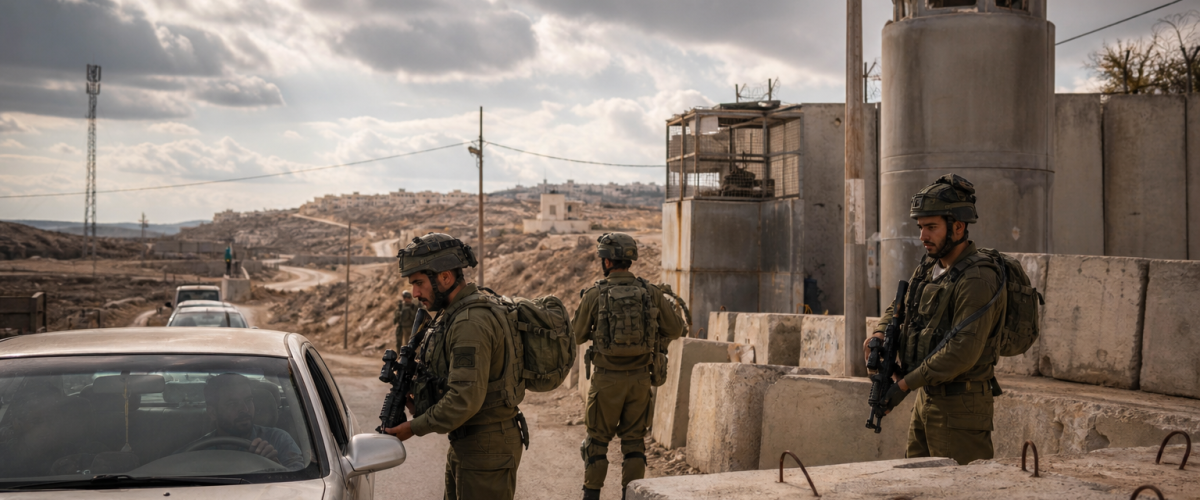
Israeli forces currently control approximately 570 square kilometres (220 square miles) of Lebanese territory south of the Litani River, an area that Israel has designated as a security buffer zone to prevent Hezbollah from operating near the Israeli border. The occupation, which expanded significantly during the conflict with Hezbollah that has killed over 3,000 people, extends well beyond the limited security positions that Israel maintained before the current hostilities.
The occupied area includes dozens of Lebanese villages, agricultural land, and infrastructure. Lebanese civilians who remained in the zone or returned after temporary displacement face a complex reality of military checkpoints, movement restrictions, and the uncertainty of living under foreign military occupation. Lebanon’s government has demanded a full Israeli withdrawal, a position supported by UN Security Council resolutions.
Israel has also maintained control over areas in Syria and Gaza, creating what Netanyahu and Katz describe as a comprehensive “security perimeter” designed to protect Israeli communities from attack. The combined territorial holdings represent the most extensive Israeli military footprint outside its internationally recognised borders since the first Lebanon war in the 1980s.
The Clash with the US-Iran Framework
Netanyahu’s defiance creates a significant complication for the US-Iran peace framework, which is scheduled for formal signing in Geneva on June 19. Pakistan’s Prime Minister Shehbaz Sharif, who played a mediating role, stated that the agreement would include “the immediate and permanent cessation of military actions across all fronts, including Lebanon.”
However, Israel is not a party to the US-Iran agreement and has made clear that it does not consider itself bound by its terms. Israeli leaders across the political spectrum have criticised the framework as insufficient for addressing the fundamental security threats posed by Iran and its proxy network. The opposition has joined the government in demanding that any deal include verifiable disarmament of Hezbollah — a demand that is not part of the current framework.
The disconnect between the US-Iran diplomatic track and Israeli military operations on the ground exposes a fundamental weakness in the peace framework: it addresses the US-Iran bilateral relationship but does not resolve the Israeli-Hezbollah conflict, which operates by its own logic and dynamics.
Hezbollah’s Position
Hezbollah has continued to maintain military positions in southern Lebanon despite the partial ceasefire established in early June, which required the withdrawal of Hezbollah operatives from areas south of the Litani River. The organisation has argued that its military presence is defensive and necessary to protect Lebanese sovereignty from Israeli aggression.
The establishment of “pilot security zones” where only the Lebanese Armed Forces would operate — a key element of the ceasefire agreement — has progressed slowly and unevenly. Both sides have accused the other of violations, creating a deteriorating security environment that the US-Iran framework alone cannot address.
International Reaction and Diplomatic Fallout
The international community has reacted with concern to Netanyahu’s statement. The European Union called for Israeli compliance with international law, while the United Nations reiterated its demand for a full Israeli withdrawal from Lebanese territory. The Arab League condemned the continued occupation, while Turkey’s President Erdogan characterised Israel’s stance as “proof that Netanyahu is not interested in peace.”
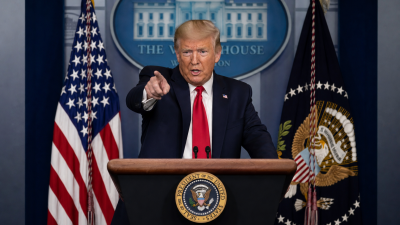
For the Biden administration’s successor in the White House, the Israeli defiance presents a dilemma. President Trump has styled the Iran framework as a signature foreign policy achievement, but the deal’s credibility depends on its ability to produce tangible improvements in regional security. If Israeli military operations in Lebanon continue to escalate — potentially provoking Hezbollah retaliation that draws Iran back into the conflict — the framework could collapse before the ink is dry.
The coming days, as the Geneva signing approaches, will test the ability of diplomacy to contain military realities that are, for now, moving in a dangerous direction.
Also Read
- Iran Fires Missiles at Israel After IDF Strikes on Beirut — April Ceasefire Shattered as Middle East Tensions Escalate
- Israel Strikes Beirut Outskirts as Fighting With Hezbollah Escalates Amid Iran Deal Talks
- Trump Tells Netanyahu He Has No Choice but to Accept Iran Peace Deal — Says He Calls All the Shots in US-Israel Relations
- Iran Suspends Ceasefire Talks with US and Threatens to Close Strait of Hormuz Again Over Lebanon Strikes
- Crude Oil Jumps Over 2 Percent as Israel Orders Troops Deeper into Lebanon Despite Ceasefire — Brent Nears 93 Dollars