Karnataka Cabinet Ratifies SC Internal Quota: How the 15 Per Cent Reservation Will Be Split Among Scheduled Caste Communities

Cabinet Approves Formula to Split 15 Per Cent SC Quota Into Three Tiers
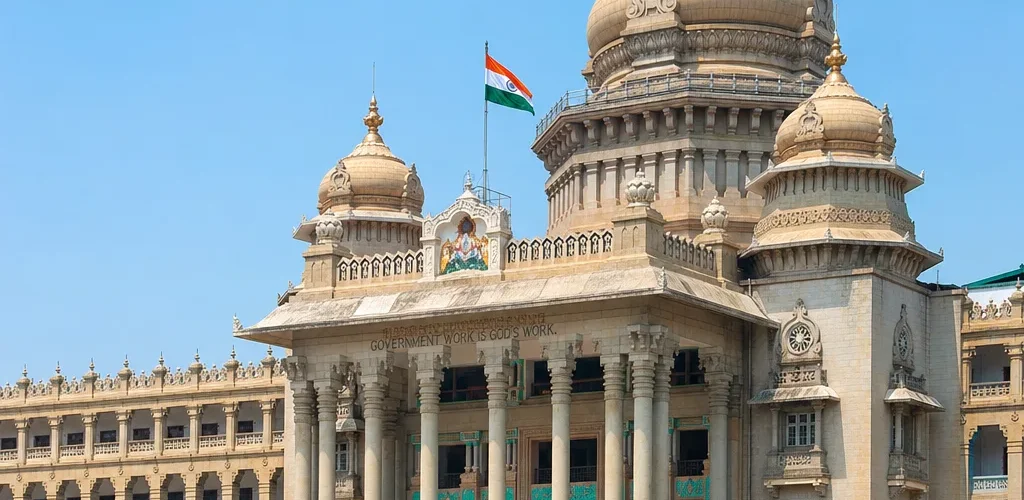
The Karnataka state cabinet has ratified a landmark decision to implement internal reservation within the existing 15 per cent Scheduled Caste quota, a move that directly affects the filling of over 56,432 government vacancies in the state. The decision, confirmed on May 1, 2026, follows a cabinet resolution passed on April 24 that cleared a revised internal reservation formula. The ratification paves the way for long-pending government recruitment to proceed under the new framework.
Under the approved formula, the 15 per cent SC quota will be divided as follows:
- SC-Left communities: 5.3 per cent
- SC-Right communities: 5.3 per cent
- Other SC communities (including Bhovis, Lambanis, Korama, Koracha, and others): 4.4 per cent
This three-tier division aims to ensure that all sub-groups within the broader Scheduled Caste category receive equitable access to government jobs and educational opportunities, addressing long-standing grievances about the uneven distribution of benefits under the unified 15 per cent quota.
Background: Why Internal Quota Was Demanded
The demand for internal reservation within the SC quota is not new in Karnataka. For decades, communities classified as SC-Left — which include sub-groups historically concentrated in specific regions of the state — have argued that a disproportionate share of government jobs and educational seats under the SC quota has been accessed by SC-Right communities, particularly the dominant Madiga community in some districts and the Holeya community in others.
The argument is rooted in the social and educational diversity within the Scheduled Caste umbrella. While all SC communities face discrimination and historical exclusion, some sub-groups have made relatively greater progress in education and employment, giving them an advantage in competitive examinations and recruitment processes. Without internal reservation, the benefits of affirmative action tend to concentrate within these more advanced sub-groups, leaving the most marginalised communities further behind.
This pattern is not unique to Karnataka. Several Indian states, including Andhra Pradesh, Punjab, Tamil Nadu, and Bihar, have either implemented or debated internal reservation for Scheduled Castes. The Supreme Court of India has also addressed the issue in multiple judgments, most notably in the 2004 E.V. Chinnaiah vs State of Andhra Pradesh case, which was later reconsidered by a larger bench. The evolving legal landscape has created a complex framework within which states must navigate their reservation policies.
The April 24 Cabinet Meeting and Technical Committee
The Karnataka cabinet first took up the internal quota issue formally on April 17, when RDPR and IT/BT Minister Priyank Kharge initiated a discussion. During the meeting, Health Minister Dinesh Gundurao expressed the view that the action was being initiated hastily and without adequate consultation with all stakeholders. Despite these reservations, the cabinet decided to set up a technical committee headed by the chief secretary, with members including the secretaries from the law and parliamentary affairs department and the social welfare department.
The committee was asked to file its report at the next cabinet meeting, scheduled for April 24. The April 24 meeting, held from 11 AM to 4 PM, considered the committee’s recommendations alongside other key subjects and cleared the revised internal reservation formula. The May 1 ratification formalises that decision and sets the process in motion for implementation across all pending government recruitment.
The political dynamics around this decision are significant. Karnataka is governed by the Congress party, and the internal quota decision is seen as an attempt to consolidate support among multiple SC sub-groups ahead of future elections. The decision also has implications for the national conversation around government employee benefits and pay structures.
Impact on 56,432 Government Vacancies
The most immediate practical impact of the decision is on the recruitment process for 56,432 government job vacancies that the Karnataka government had announced earlier. The filling of these vacancies had been delayed precisely because of the pending decision on SC internal reservation. SC-Left communities had insisted that internal quota be applied before recruitment proceeds, arguing that a unified quota process would once again result in lopsided distribution of positions.
With the formula now ratified, the Karnataka Public Service Commission and other recruiting bodies can begin the process of advertising positions, conducting examinations, and filling vacancies under the new three-tier SC reservation framework. This is expected to benefit tens of thousands of aspirants across the state.
How Recruitment Will Work Under the New Framework
Under the new system, each government department will be required to calculate its SC vacancies based on the 15 per cent total quota and then sub-allocate positions according to the 5.3/5.3/4.4 formula. Candidates will apply under their specific SC sub-category, and separate merit lists will be prepared for each tier. This ensures that positions reserved for SC-Left candidates cannot be filled by SC-Right candidates and vice versa.
The government has also directed that any backlog vacancies from previous recruitment cycles be recalculated under the new formula. This could open up additional positions for communities that were historically underrepresented in government employment.
Political Reactions and Opposition Response
The decision has drawn mixed reactions. SC-Left community organisations have welcomed the move as a long-overdue correction that will ensure genuine equity within the reservation system. Community leaders have pointed out that the internal quota will provide the most marginalised SC families with a realistic pathway to government employment for the first time.
However, some SC-Right organisations have expressed opposition, arguing that dividing the SC quota will weaken the collective bargaining power of Scheduled Castes as a political and social category. They fear that internal competition could be exploited by political parties to fragment SC unity.
The BJP opposition in Karnataka has accused the Congress government of rushing the decision for political gain without adequate legal vetting. BJP leaders have raised questions about whether the formula will withstand judicial scrutiny, pointing to the complex legal history of SC sub-classification in Indian courts. The political landscape across states continues to evolve, as seen in the high-stakes elections in West Bengal and other states.
Legal Challenges Ahead
Legal experts anticipate that the Karnataka decision may face challenges in the courts. The Supreme Court’s jurisprudence on SC sub-classification has evolved over the years, and a Constitution Bench is currently re-examining the legal permissibility of states creating sub-categories within the SC list. The outcome of this national-level judicial review will have implications for Karnataka’s new framework and similar policies in other states.
The Karnataka government’s legal team is said to be preparing a robust defence of the formula, drawing on data about the disparate educational and employment outcomes among different SC sub-groups in the state. The broader economic growth environment has made government jobs increasingly competitive, raising the stakes for all aspirants and communities involved.
Regardless of the legal outcome, the Karnataka decision represents a significant moment in India’s ongoing effort to make affirmative action more equitable and responsive to the diverse realities within marginalised communities.
Follow the latest developments on Social Trends and Economy at DailyTips.in.

- Indian Army Gets New Chief as General Dwivedi Hands Over Command Amid Push for Indigenous Defence Tech - July 1, 2026
- Ayodhya Ram Temple Donation Scandal Deepens as Trustees Resign and SIT Arrests Eight - June 29, 2026
- Bengal Seven Weeks On: Modi’s Historic Win and the Questions That Won’t Go Away - June 28, 2026