Telegram Ban Ends June 22: What Happens Next for India’s 150 Million Users After NEET Retest

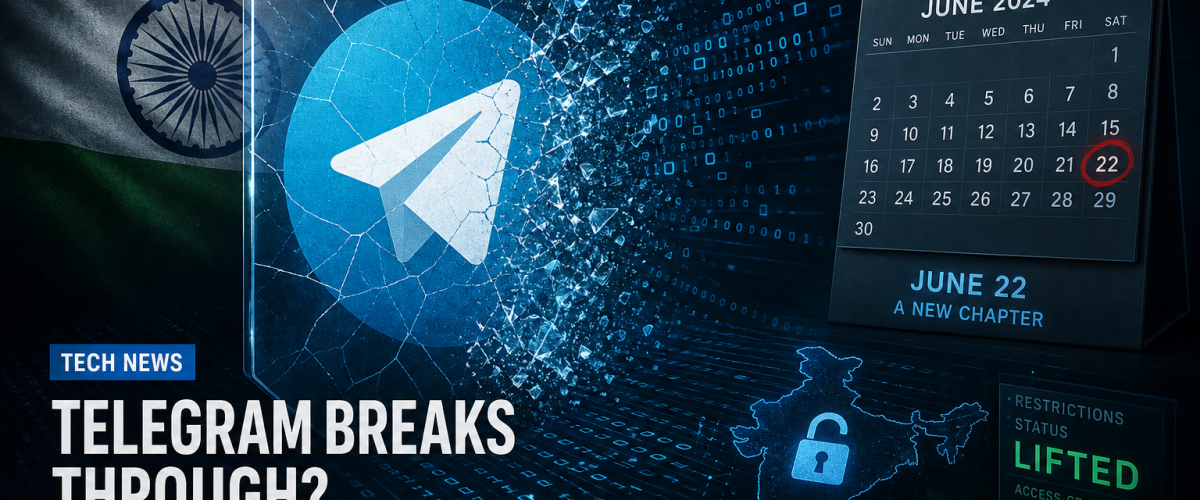
India’s temporary ban on the Telegram messaging platform is set to expire on June 22 — the day after the NEET-UG 2026 re-examination that prompted the unprecedented restriction. For the 150 million Indian Telegram users who have been cut off from the platform since June 16, the lifting of the ban will bring relief. But the episode raises profound questions about digital rights, platform accountability, and the government’s power to restrict internet access in the world’s largest democracy.
The six-day ban — the most significant platform-level internet restriction in India since the Jammu & Kashmir communication shutdown of 2019 — was imposed under Section 69A of the IT Act after allegations that leaked NEET question papers were circulated through Telegram’s encrypted channels. The Delhi High Court upheld the ban on Friday, ruling that the Centre’s order was “well-founded” and that the temporary restriction was a proportionate response to the examination security threat.
Timeline of the Ban
The Telegram ban unfolded in stages:
June 16: The government blocked Telegram under the IT Act, citing the platform’s use by “cheating syndicates” to defraud NEET candidates. The NTA and Ministry of Education issued a statement explaining the restriction as a “last resort” after previous content removal attempts proved ineffective.
June 17-18: Telegram filed an emergency petition in the Delhi High Court challenging the ban. CEO Pavel Durov accused Reliance Jio of using BGP hijacking to implement the block — a technical allegation that added a corporate dimension to the dispute.
June 19: The Delhi High Court, after initially questioning whether 150 million users could be restricted for the actions of a few, ultimately upheld the ban as proportionate and well-founded.
June 22 (scheduled): The ban expires automatically, one day after the NEET retest.
What Happens on June 22
When the ban lifts, several things will happen simultaneously:
Platform Restoration: ISPs and telecom operators will unblock Telegram, restoring access for 150 million users. The process should be immediate, though some users may experience delays depending on their ISP’s implementation timeline.
Content Backlog: Users will receive messages, notifications, and updates that accumulated during the ban period. For businesses, educational groups, and professional communities that relied on Telegram for daily communication, catching up on six days of missed messages will be a significant task.
Government Review: The government has indicated that it will also require Telegram to deactivate the message editing function — a feature that was allegedly used to modify already-sent messages containing leaked exam content, making enforcement and evidence preservation difficult. Whether Telegram complies with this requirement will be a key test of the platform’s willingness to cooperate with Indian regulations.
The Digital Rights Debate
The Telegram ban has crystallised a debate about digital rights that will shape India’s technology policy for years to come:
Proportionality: Critics argue that banning a platform used by 150 million people to address the actions of a few hundred cheating syndicate members is disproportionate — the digital equivalent of closing a highway because of one accident. Defenders counter that the temporary nature of the ban and the importance of NEET exam integrity justify the restriction.
Precedent: The successful ban creates a precedent that could be invoked for future examinations. India conducts dozens of major competitive exams annually, and if platform bans become a standard security measure, the cumulative impact on digital freedoms could be significant.
Platform Responsibility: The episode also raises questions about Telegram’s responsibilities. The platform’s encryption features and anonymous channel system made it difficult for authorities to conduct targeted enforcement. Whether platforms should be required to build in law enforcement access — at the cost of user privacy — is a question that India, like many democracies, is grappling with.
Looking Ahead
The Telegram ban is ending, but its legacy will endure. The government has demonstrated its willingness to restrict major platforms in the name of examination security. The courts have upheld this power as proportionate. And the 150 million affected users have had a vivid demonstration of how quickly digital access can be curtailed in the world’s largest democracy.
Also Read
- India Bans Telegram Before NEET Re-Test; CEO Pavel Durov Accuses Reliance of Global Sabotage
- Delhi HC Upholds Telegram Ban: ‘Centre’s Order Is Well-Founded,’ Dismisses Platform’s Plea Before NEET Retest
- Delhi HC Questions Telegram Ban: ‘How Can Rights of 150 Million Users Be Curtailed?’ — Verdict Reserved
- India-Bangladesh Border Tensions Rise After Stone-Pelting Standoff at Meghalaya Frontier
- Indian Embassy Issues Urgent Advisory: ‘Leave Iran Immediately’ — Travel Ban Imposed as Conflict Escalates