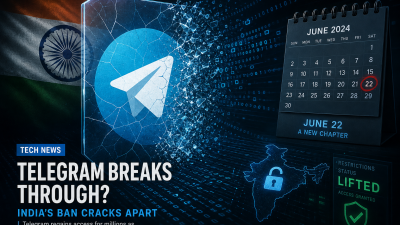
Delhi HC Upholds Telegram Ban: ‘Centre’s Order Is Well-Founded,’ Dismisses Platform’s Plea Before NEET Retest

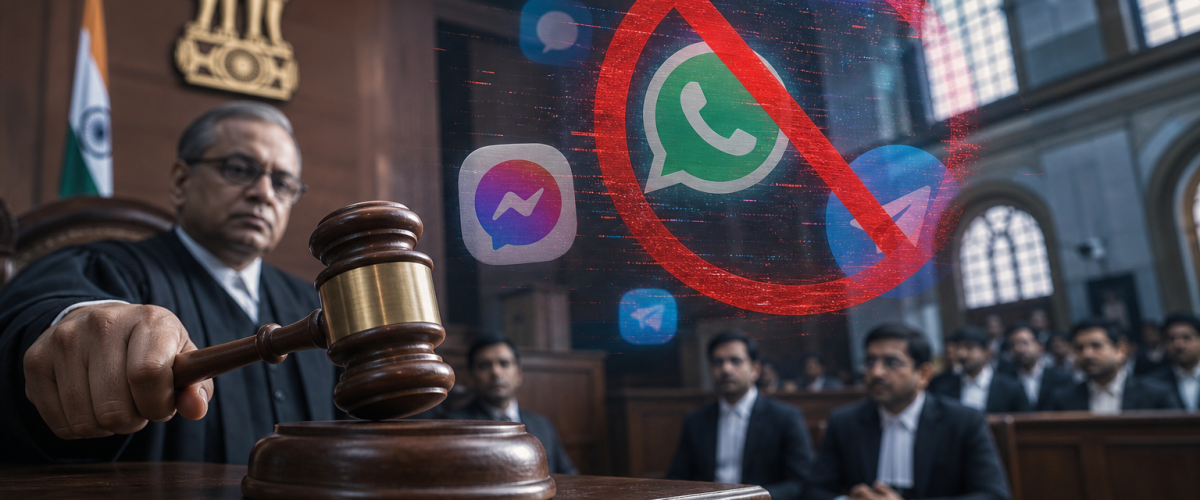
The Delhi High Court on Friday upheld the Indian government’s temporary ban on Telegram, dismissing the messaging platform’s petition challenging the block imposed ahead of the NEET-UG 2026 re-examination on June 21. Justice Tejas Karia, delivering the verdict, held that the “Centre’s order is well-founded” and that the temporary restriction on a platform used by nearly 150 million Indians was a proportionate response to the serious threat of examination paper leaks.
The ruling marks a significant moment in India’s evolving digital rights jurisprudence, coming just a day after the same court had sharply questioned how the rights of 150 million users could be curtailed based on the actions of a few. The shift from sceptical questioning to upholding the ban reflects the court’s ultimate assessment that the government’s examination security concerns outweighed the temporary inconvenience to users.
What the Court Said
Justice Karia’s verdict addressed several key arguments raised by Telegram and digital rights advocates:
On Proportionality: The court held that the ban was limited in duration (until June 22) and targeted at preventing a specific, identifiable harm — the circulation of leaked NEET question papers through Telegram’s encrypted channels. The court noted that the temporary nature of the restriction distinguished it from the permanent internet shutdowns that the Supreme Court had criticised in the Anuradha Bhasin case.
On Alternative Measures: While acknowledging that less restrictive alternatives existed in theory, the court accepted the government’s argument that Telegram’s encryption and anonymous channel features made targeted enforcement — such as blocking specific channels — technically difficult and unreliable as a preventive measure.
On User Impact: The court recognised that 150 million users would be affected but held that the four-day restriction was a reasonable trade-off to protect the interests of 22 lakh NEET aspirants and the integrity of India’s medical admission process. “The right to a fair examination is also a fundamental right,” the court observed.
Telegram’s Response
Telegram, through its Indian legal counsel, expressed disappointment with the verdict. The platform had argued that it had consistently cooperated with Indian authorities on content takedown requests and that a blanket ban was unnecessary. Telegram’s CEO Pavel Durov had earlier made headlines by accusing Reliance Jio of using BGP hijacking to implement the ban — an allegation that added a corporate dimension to the dispute.
The platform is expected to evaluate its legal options, including a potential appeal to a division bench or the Supreme Court. However, given that the ban expires on June 22 — one day after the NEET retest — any appeal may be rendered moot by the passage of time.
The NEET Connection
The Telegram ban was triggered by allegations that the original NEET-UG 2026 examination was compromised through paper leaks circulated via Telegram’s encrypted channels. The NTA’s decision to cancel the original exam and conduct a retest on June 21 created an unprecedented security challenge: how to prevent a repeat leak during the re-examination.
The government’s response — banning Telegram entirely for four days — was its most aggressive digital intervention for examination security. Critics have argued that the approach is a sledgehammer cracking a nut, while supporters contend that the stakes — the career futures of 22 lakh medical aspirants — justify extraordinary measures.
Implications for Digital Rights
The Delhi HC verdict sets a significant precedent for platform-level restrictions in India. By upholding a temporary ban on a major communication platform, the court has validated the government’s power to restrict digital access in the name of examination security — a category of restriction that goes beyond the traditional national security and public order grounds.
Digital rights advocates have expressed concern that the precedent could be invoked for future examinations — India conducts dozens of major competitive exams annually, each potentially vulnerable to leaks. If the Telegram ban model is replicated, platform restrictions could become a routine feature of India’s examination calendar.
For now, the immediate impact is practical: Telegram remains blocked in India until June 22, and the 22 lakh NEET aspirants preparing for Saturday’s retest do so in a digital environment where at least one avenue of potential paper circulation has been shut down. Whether that makes the examination more secure — or simply shifts the risk to other platforms — remains to be seen.
Also Read
- Delhi HC Questions Telegram Ban: ‘How Can Rights of 150 Million Users Be Curtailed?’ — Verdict Reserved
- India Bans Telegram Before NEET Re-Test; CEO Pavel Durov Accuses Reliance of Global Sabotage
- Supreme Court Refuses to Stay NEET Retest on June 21, Defers Hearing to July — 22 Lakh Students in Limbo
- Delhi High Court Allows Vinesh Phogat to Compete in Asian Games 2026 Wrestling Trials — Overrules WFI Controversial Eligibility Rules
- Delhi High Court Fines Google Rs 30 Lakh in Landmark Trademark Ruling — Hindware Keyword Case Could Reshape Digital Advertising in India