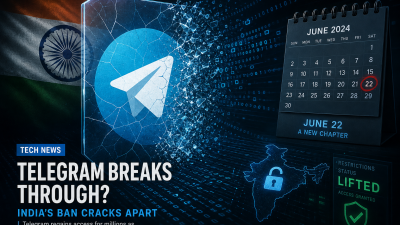
Telegram Ban: Final Day Before India Restores Access for 150 Million Users

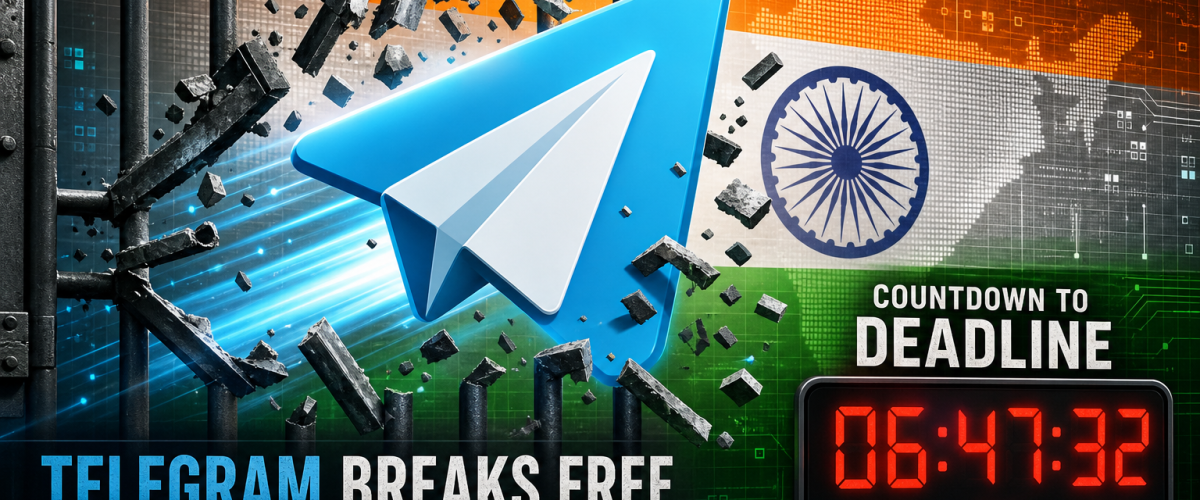
Today is the last day of India’s unprecedented ban on the Telegram messaging platform. When the clock strikes midnight and June 22 begins, the 150 million Indian Telegram users who have been cut off from the platform since June 16 will regain access — ending a six-day digital blackout that has been the most significant platform-level internet restriction in India since the 2019 Jammu & Kashmir communication shutdown.
The ban was imposed under Section 69A of the IT Act to prevent the circulation of leaked NEET-UG 2026 question papers through Telegram’s encrypted channels. With the NEET retest underway today (June 21), the ban’s primary purpose has been served — but the questions it has raised about digital rights, government power, and platform accountability will persist long after access is restored.
The Timeline Recap
The six-day Telegram ban unfolded in stages that revealed the tensions between national security imperatives and digital rights:
June 16: The government blocked Telegram, citing its use by “cheating syndicates” to distribute leaked NEET papers. The move affected 150 million users — a staggering number by global standards.
June 17-18: Telegram filed an emergency petition in the Delhi High Court. CEO Pavel Durov accused Reliance Jio of using BGP hijacking to implement the block — a serious technical allegation that added a corporate dimension to the dispute.
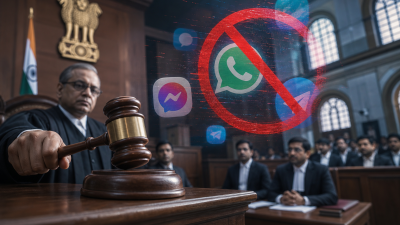
June 19: The Delhi High Court upheld the ban as “well-founded” and proportionate, settling the legal question for the ban’s duration.
June 21 (today): The NEET retest is underway. The ban’s purpose has been achieved.
June 22 (tomorrow): The ban expires automatically. Access will be restored.
What Happens at Midnight
When the ban lifts, several things will happen simultaneously:
ISP Unblocking: Internet service providers and telecom operators will restore Telegram access. The process should be immediate for most users, though some ISPs may take a few hours to update their blocking configurations.
Message Flood: Users will receive six days’ worth of accumulated messages, notifications, and media. For the thousands of businesses, educational institutions, and professional communities that relied on Telegram for daily operations, catching up will be a significant task. Group administrators may need to post summaries and updates to help members navigate the backlog.
Message Editing Deactivation: The government has indicated that it will require Telegram to deactivate its message editing function as a condition of restored access. This feature — which allowed users to modify already-sent messages — was allegedly used by cheating syndicates to alter evidence of leaked content, complicating enforcement efforts. Whether Telegram will comply with this demand remains uncertain.
The Precedent Problem
The Telegram ban’s most enduring legacy may be the precedent it establishes for future government action:
Exam Security Template: India conducts dozens of major competitive examinations annually — NEET, JEE, UPSC, SSC, banking exams, and state-level tests. If platform bans become a standard security measure for examinations, the cumulative impact on digital freedoms could be substantial.
Platform Vulnerability: The ban demonstrated that any platform — regardless of its user base or encryption technology — can be blocked in India within hours. This vulnerability affects not just messaging platforms but potentially social media, cloud services, and other digital infrastructure.
Looking Forward
As 150 million users prepare to return to Telegram tomorrow, the broader debate about platform regulation, government power, and digital rights continues. The Supreme Court is expected to examine the legal framework for platform bans in its upcoming session, and civil society organisations have filed interventions arguing for stronger safeguards. The Telegram ban is ending — but its implications for India’s digital future are only beginning to unfold.
Also Read
- Telegram Ban Ends June 22: What Happens Next for India’s 150 Million Users After NEET Retest
- Delhi HC Upholds Telegram Ban: ‘Centre’s Order Is Well-Founded,’ Dismisses Platform’s Plea Before NEET Retest
- India Bans Telegram Before NEET Re-Test; CEO Pavel Durov Accuses Reliance of Global Sabotage
- Delhi HC Questions Telegram Ban: ‘How Can Rights of 150 Million Users Be Curtailed?’ — Verdict Reserved
- India-Bangladesh Border Tensions Rise After Stone-Pelting Standoff at Meghalaya Frontier