US-Iran Peace Deal Framework Finalised — Geneva Signing Set for June 19, Hormuz to Reopen

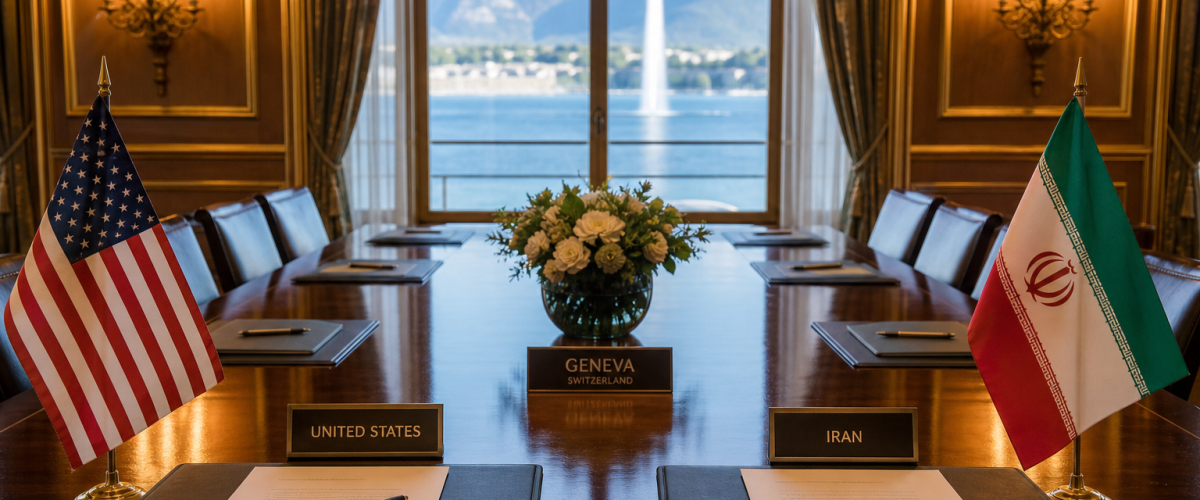
The United States and Iran have finalised a framework peace agreement that will be formally signed in Geneva on June 19, 2026, marking a potential end to months of military conflict that has roiled global energy markets, claimed thousands of lives, and reshaped Middle Eastern geopolitics. The agreement includes an immediate ceasefire, the reopening of the Strait of Hormuz to all international shipping, and the beginning of structured nuclear talks aimed at addressing Iran’s enrichment programme.
The framework, confirmed by US President Donald Trump, Pakistani Prime Minister Shehbaz Sharif — who played a mediating role — and Iranian state media, represents the most significant diplomatic breakthrough since hostilities erupted in February 2026. While critical details remain to be negotiated in the coming weeks, the announcement has already sent powerful ripple effects through global financial markets, geopolitical calculations, and the lives of millions affected by the conflict.
Key Elements of the Framework
The agreement, as outlined by diplomatic sources and official statements, contains several core components:
1. Immediate Ceasefire: Both sides have agreed to halt all military operations effective immediately. The US will begin withdrawing naval forces from forward positions near Iranian territorial waters, while Iran will cease all offensive operations in the Persian Gulf region. A joint monitoring mechanism, supervised by the United Nations, will verify compliance.
Related: US-Iran Ceasefire Expires on April 22: Impact on India’s Oil Prices, Strait of Hormuz, and Economy
2. Reopening of the Strait of Hormuz: The strait, through which approximately 20 percent of the world’s oil supply transits, will be reopened to unrestricted international shipping. An international maritime security force, with participation from multiple nations, will be established to ensure safe passage. This element alone is expected to bring significant relief to global energy prices.
3. Nuclear Talks Framework: The agreement establishes a structured process for addressing Iran’s nuclear programme. While the framework does not include immediate nuclear concessions, it commits both sides to begin substantive negotiations within 30 days of the Geneva signing. Trump’s earlier reference to removing enriched uranium from Iran suggests that denuclearisation will be a central demand of the US negotiating position.
4. Phased Sanctions Relief: Iran will receive phased sanctions relief tied to compliance milestones, including nuclear transparency, cessation of support for regional proxy groups, and adherence to the ceasefire. The timeline and scope of sanctions relief will be finalised during the Geneva negotiations.
Iran’s Position and Domestic Politics
Iranian state media characterised the agreement as a “dignified peace” that protects Iran’s sovereignty and core interests. However, the response within Iran has been mixed, reflecting the deep political divisions that the conflict has exposed.
Related: Trump Claims US-Iran Peace Deal in ‘Final Throes’ — Says Agreement Could Be Reached Within Days
Many ordinary Iranians expressed relief at the prospect of peace after months of conflict that has severely impacted the economy, caused civilian casualties, and created widespread disruption to daily life. Opposition groups, however, expressed disappointment that the agreement does not appear to address broader political freedoms or regime accountability.
Within the Iranian government, hardliners have expressed reservations about aspects of the nuclear talks framework, viewing it as potentially leading to unilateral disarmament. Pragmatists, including elements aligned with the diplomatic corps, have argued that the economic damage of continued conflict far outweighs any concessions in the agreement.
Global Market Impact
Financial markets reacted emphatically to the peace deal announcement. Asian stocks jumped more than 2 percent in early Monday trading, while S&P 500 futures gained approximately 1 percent. Brent crude oil dropped over 4 percent towards the $83 per barrel mark, reflecting expectations that Hormuz shipping will normalise and global energy supply pressures will ease.
Bitcoin advanced over 2 percent as improved risk sentiment boosted speculative assets. Treasury yields declined as traders reassessed inflation risks linked to elevated oil prices. Currency markets also reflected the shift, with emerging market currencies strengthening against the US dollar.
For India, the deal is overwhelmingly positive. As a major crude oil importer, the country stands to benefit significantly from lower energy prices, reduced inflation, and an improved trade balance. The rupee strengthened to around 94.67 against the dollar on Monday morning, supported by the sharp decline in crude prices.
What Remains Unresolved
Despite the breakthrough, significant challenges remain. The nuclear question — Iran’s enrichment capability and stockpile — is the most contentious unresolved issue. Israel has expressed broad discontent with the emerging deal, arguing that it leaves fundamental security threats posed by Iran unaddressed. Israeli leaders across the political spectrum have criticised the framework for not requiring immediate nuclear disarmament.
The status of Iran’s regional proxy network, including Hezbollah in Lebanon and various groups in Iraq and Yemen, also remains unresolved. The framework commits Iran to ceasing support for these groups, but verification and enforcement mechanisms have yet to be defined.
As the world waits for the Geneva signing on June 19, cautious optimism prevails — tempered by the recognition that the history of US-Iran relations is littered with agreements that collapsed under the weight of mutual distrust and domestic political pressures.
Also Read
- Trump Announces Iran Peace Deal for Sunday — Hormuz Strait to Reopen as War Nears End
- US and Iran Reach Tentative 60-Day Ceasefire Deal — Strait of Hormuz to Reopen Within 30 Days as Nuclear Talks Begin
- Indian Rupee Crashes 139 Paise to 94.90 Against US Dollar as Crude Oil Surges and Trump Rejects Iran Ceasefire Proposal
- Trump Rejects Iran Ceasefire Response as Totally Unacceptable as Tehran Demands Sanctions Lifted and Strait of Hormuz Reopened
- Oil Prices Crash Over 11 Percent as US-Iran Ceasefire Talks Signal Possible End to Middle East Conflict

- Indian Army Gets New Chief as General Dwivedi Hands Over Command Amid Push for Indigenous Defence Tech - July 1, 2026
- Ayodhya Ram Temple Donation Scandal Deepens as Trustees Resign and SIT Arrests Eight - June 29, 2026
- Bengal Seven Weeks On: Modi’s Historic Win and the Questions That Won’t Go Away - June 28, 2026