Telegram Ban Lifted: 150 Million Indian Users Regain Access After Six-Day Digital Blackout

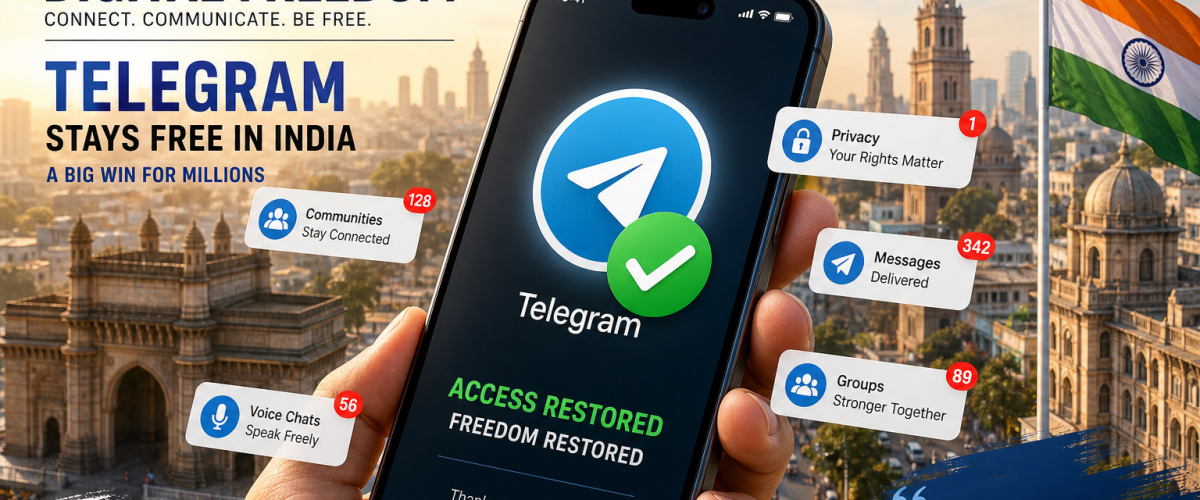
India’s six-day ban on the Telegram messaging platform has officially ended, with 150 million Indian users regaining access to the app as of midnight on June 22, 2026. The lifting of the ban — imposed under Section 69A of the IT Act to prevent the circulation of leaked NEET-UG question papers — marks the end of what has been the most significant platform-level internet restriction in India since the 2019 Jammu & Kashmir communication shutdown.
As morning breaks across India, millions of users are logging back in to find accumulated messages, missed notifications, and six days’ worth of digital life waiting for them. For the thousands of businesses, educational institutions, and professional communities that relied on Telegram for daily operations, the restoration is a return to normalcy. For digital rights advocates, it marks the beginning of a larger conversation about precedent and power.
The Restoration Process
The technical process of restoring Telegram access has been largely smooth across major internet service providers:
ISP Unblocking: Major telecom operators — including Jio, Airtel, Vi, and BSNL — have confirmed that Telegram access has been restored across their networks. The DNS and IP-level blocks that were implemented on June 16 have been reversed, with most users reporting restored access within the first hour after midnight.
Related: NEET-UG 2026 Retest Underway: 22 Lakh Students Appear Amid Unprecedented Security
Message Backlog: Users logging in for the first time since the ban are receiving a flood of accumulated messages. Group administrators across India’s vast Telegram community ecosystem — estimated at over 500,000 active groups — are posting summaries and catch-up messages to help members navigate six days of missed communication.
VPN Dropoff: During the ban, millions of Indian users turned to VPN services to maintain Telegram access. VPN providers reported massive spikes in Indian traffic from June 16 onwards. With official access restored, VPN usage for Telegram is expected to drop sharply — though the ban may have permanently introduced many Indians to VPN technology for the first time.
Was the Ban Effective?
The central question — whether the Telegram ban achieved its stated objective of protecting the NEET-UG 2026 retest from paper leaks — invites a nuanced assessment:
The Case for Success: The NEET retest was conducted yesterday (June 21) across 5,440 centres without any reported question paper leaks through Telegram. In that narrow sense, the ban achieved its primary objective. The examination integrity — at least regarding digital paper distribution — appears to have been maintained.
The Case for Skepticism: The Telegram ban did not prevent all cheating. The arrest of 24 individuals in a proxy examination racket in Bihar’s Lakhisarai district yesterday demonstrates that exam fraud can and did occur through non-digital channels. Critics argue that the ban was a disproportionate response that punished 150 million legitimate users for the actions of a few bad actors.
The VPN Problem: Security experts have noted that determined cheaters could and likely did use VPNs to access Telegram throughout the ban period. The ban’s effectiveness was therefore concentrated on casual or less technically sophisticated users — a demographic that was unlikely to be running organised cheating operations in the first place.
Message Editing Controversy
The government has indicated that as a condition of restored access, it has required Telegram to deactivate its message editing function in India. This feature — which allowed users to modify already-sent messages — was allegedly used by cheating syndicates to alter evidence of leaked content, complicating enforcement. Whether this modification will be permanent remains to be seen, and Telegram has not publicly commented on the requirement.
The Precedent Question
The most enduring legacy of the six-day Telegram ban may be the precedent it establishes. India conducts dozens of major competitive examinations annually. If platform bans become a standard security measure, the cumulative impact on digital freedoms could be substantial. The Supreme Court is expected to examine the legal framework for such bans in its upcoming session — a hearing that digital rights organisations across India will be watching with intense interest.
For now, 150 million Indians have their Telegram back. The messages are flowing, the groups are buzzing, and the digital life that was paused for six days has resumed. But the questions the ban raised — about government power, platform accountability, and the fragility of digital access in India — will persist long after the last unread message is cleared.
Also Read
- Telegram Ban Ends June 22: What Happens Next for India’s 150 Million Users After NEET Retest
- India Bans Telegram Before NEET Re-Test; CEO Pavel Durov Accuses Reliance of Global Sabotage
- Telegram Ban: Final Day Before India Restores Access for 150 Million Users
- Delhi HC Upholds Telegram Ban: ‘Centre’s Order Is Well-Founded,’ Dismisses Platform’s Plea Before NEET Retest
- Half of Urban Indian Parents Say Children Are Addicted to Screens: Inside India’s Growing Digital Wellness Crisis in 2026